

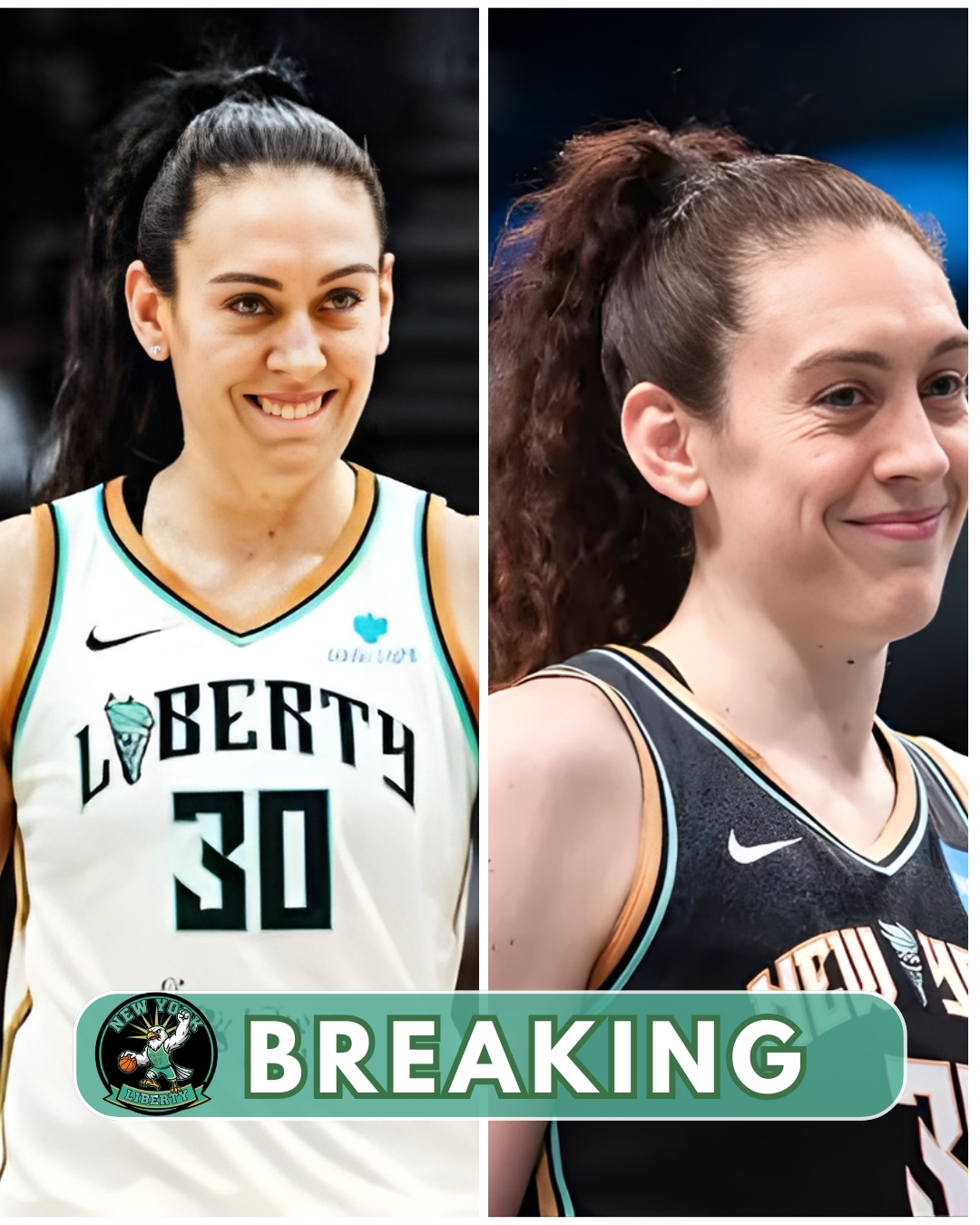
Breanna Stewart didn’t raise her voice. She didn’t issue ultimatums. But when the WNBA superstar said players are ready to “mix it up” in the next round of collective bargaining talks, the meaning was unmistakable: the league is heading toward a moment of reckoning.
Speaking candidly, Stewart made it clear that WNBA players are no longer interested in quiet negotiations or incremental change. The next CBA, she suggested, won’t be business as usual.
It will be contested, strategic, and fueled by a growing belief among players that their leverage has never been stronger.
And that belief isn’t coming out of nowhere.
The WNBA is riding unprecedented momentum. Attendance is surging. TV ratings are climbing. Jersey sales, sponsorships, and mainstream relevance are all trending upward. For the players — the product driving that growth — the message is simple: now is the time.
A Shift in Power, Not Just Tone
When Stewart says players are ready to “mix it up,” she’s signaling a shift in posture. Past CBA negotiations were often framed as cautious steps forward. This one feels different. More assertive. Less patient.
Players understand the landscape has changed. The league is no longer fighting for survival — it’s fighting for valuation. And with growth comes questions: Who benefits? Who decides? And who gets left behind?
Stewart’s comments suggest players are prepared to challenge long-standing structures around revenue sharing, salary caps, player movement, benefits, and long-term security. These aren’t cosmetic asks. They’re foundational.
Why This Moment Feels Volatile
The timing matters. The current CBA isn’t expiring quietly in the background. It’s expiring amid a cultural surge for women’s basketball that has shifted public perception almost overnight.
Players see sold-out arenas and national TV windows. They see rookie contracts that don’t reflect market reality. They see overseas play still necessary for financial stability. And increasingly, they see fans asking the same questions.
Stewart’s words reflect that collective awareness. The players aren’t just negotiating for themselves — they’re negotiating for what the league is becoming.
Leadership From the Top of the Game

As one of the most accomplished players of her generation, Stewart carries weight in these conversations. Her resume gives her credibility. Her composure gives her influence.
When she speaks, it’s not reactionary. It’s measured. And that makes her message more powerful.
She didn’t frame the upcoming CBA talks as a threat. She framed them as a reality. Players are organized. Players are informed. And players are prepared to push.
That combination is what makes executives nervous.
What “Mix It Up” Really Means
The phrase itself is intentionally ambiguous — and that’s part of its power. It leaves room for escalation without spelling it out.
It could mean tougher negotiation tactics.
It could mean public pressure.
It could mean players being willing to walk away from bad deals.
What it almost certainly doesn’t mean is quiet compromise.
For fans, it hints at potential friction ahead. For the league, it signals that goodwill alone won’t carry the next agreement across the finish line.
A League at a Crossroads
The WNBA stands at a rare intersection: cultural relevance, financial growth, and player empowerment colliding at once. That’s exciting — and dangerous.
Handle the next CBA correctly, and the league could lock in stability and trust for years. Handle it poorly, and the tension Stewart alluded to could spill into public view in uncomfortable ways.
Players know this. Executives know this. And Stewart’s comments suggest neither side is underestimating what’s at stake.
Why Fans Should Pay Attention
CBA talks aren’t just about salaries and fine print. They shape the future of the league fans love — competitive balance, star retention, offseason structure, and even how long players can sustain careers.
When Stewart says players are ready, she’s speaking for a generation that has watched the league grow without always growing with it.
This time, they don’t want promises.
They want proof.
The Calm Before the Storm?

For now, the league continues. Games are played. Highlights go viral. The surface looks smooth.
But underneath, the groundwork is being laid for what could be the most consequential labor conversation in WNBA history.
Breanna Stewart didn’t shout. She didn’t threaten.
She simply let everyone know: the players are ready.
And once that line is crossed, there’s no going back to quiet negotiations.