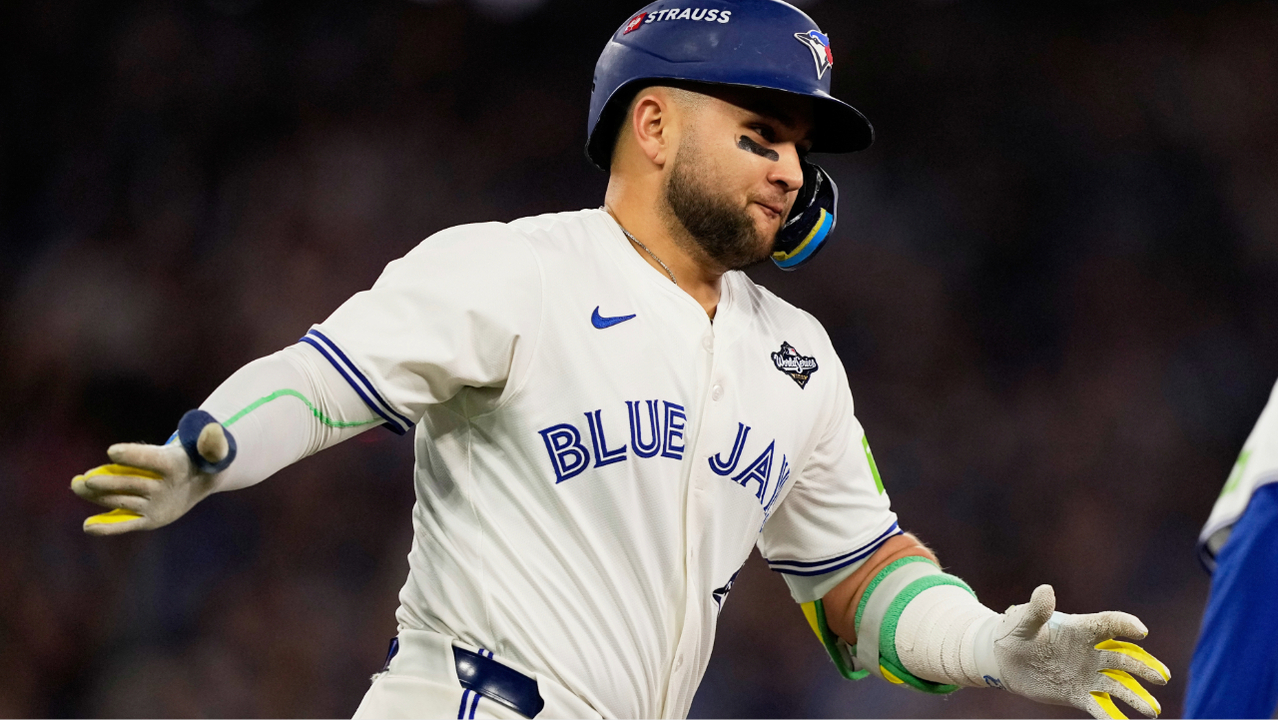
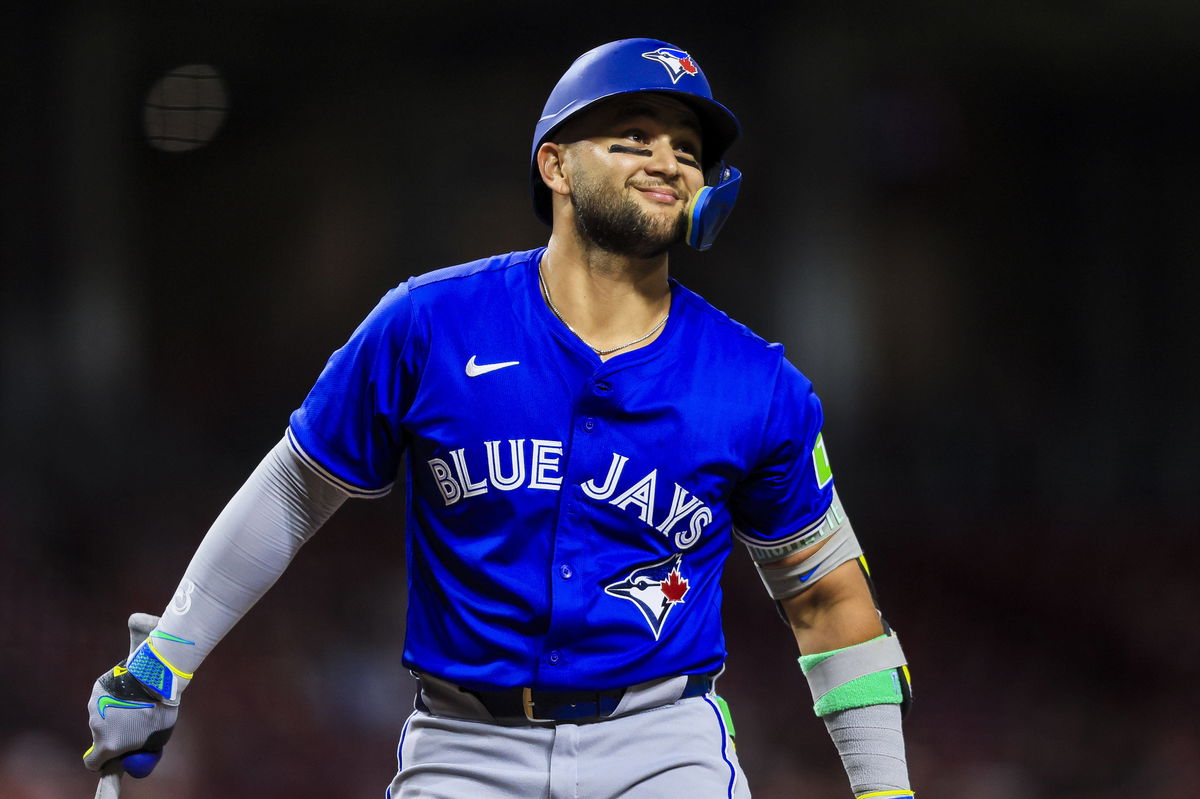
The reaction to Bo Bichette leaving Toronto has gone completely off the rails, and the outrage says more about fan emotion than it does about what actually happened. This wasn’t betrayal. It wasn’t incompetence. And it definitely wasn’t some secret drama where one side “played” the other.
It was free agency — exactly as Bo Bichette always intended it to be.
That part keeps getting ignored.
Bo didn’t wake up one day and decide he wanted out. He didn’t suddenly feel disrespected. He didn’t get lowballed and storm off. This path was mapped out long before his MLB debut, long before the Blue Jays became contenders, and long before fans attached permanence to a partnership that was never promised.
Bo Bichette wanted to be a Major League Baseball free agent. Full stop.
He’s wanted that since he was a teenager. Since he was 16 years old. Long before service time debates and contract extensions became daily discourse. He wanted the process — the meetings, the attention, the leverage, the experience of being courted by the league. Some players crave security early. Others crave agency.
Bo has always been the second type.
That’s why the idea that he was “jerked around” doesn’t hold water. Toronto didn’t drag its feet. They didn’t miss a window. They didn’t misread the room. You can’t extend someone early who has zero interest in signing early. It takes two sides to make a deal, and Bo’s side was never inclined to skip the open market.
Compare that to Vladimir Guerrero Jr., and the difference is obvious.
Vlad wanted stability. He wanted to lock in. He wanted to commit to the organization that developed him. Different personalities. Different priorities. Same professionalism. The fact that their choices diverged doesn’t make one wrong — it just makes them human.
And then there’s the contract itself.
Let’s be honest about what Bo got from New York: it’s a flashy deal, but it’s also a risky one — for the team, not the player. Forty-two million dollars per year with player opt-outs is exactly the kind of structure Toronto avoids like the plague. And for good reason.
It’s a classic “heads I win, tails you lose” setup.
If Bo plays at an elite level, he can opt out and chase an even bigger payday. If he struggles, the Mets are locked into massive annual money with no escape hatch. That’s not conservative team-building. That’s leverage-driven spending. Toronto was never going to offer that — and shouldn’t have.
So no, the Blue Jays didn’t “drop the ball.”
They stayed consistent with their philosophy.
Fans might not like that philosophy, but pretending it suddenly changed just to spite Bo is pure fiction. Toronto values long-term flexibility. They avoid opt-out traps. They don’t build contracts that can explode in their face if a player’s performance swings the wrong way.
That approach has pros and cons, but it’s not incompetence — it’s intentional.
The real issue here isn’t the front office or the player.
It’s how personally fans are taking this.
Somewhere along the line, normal business decisions started feeling like emotional betrayals. As if players owe loyalty beyond their contracts. As if choosing free agency is a personal slight rather than a professional right.
It isn’t.
Bo didn’t owe Toronto a discount. Toronto didn’t owe Bo a deal they didn’t believe in. Both sides acted in alignment with who they’ve always been. That’s not drama — that’s clarity.
The problem is that fans fell in love with the idea of permanence in a sport that rarely allows it.
They saw Bo and Vlad grow up together and assumed the ending would be storybook. Baseball almost never works that way. Windows close. Paths split. Careers diverge. That doesn’t erase what came before.
And it certainly doesn’t require outrage.
Bo didn’t play anyone. The Jays didn’t fumble anything. No one got screwed.
This was free agency — loud, uncomfortable, and unavoidable.
So yes, it hurts. Yes, it feels strange. Yes, the image of them not wearing the same uniform is jarring.