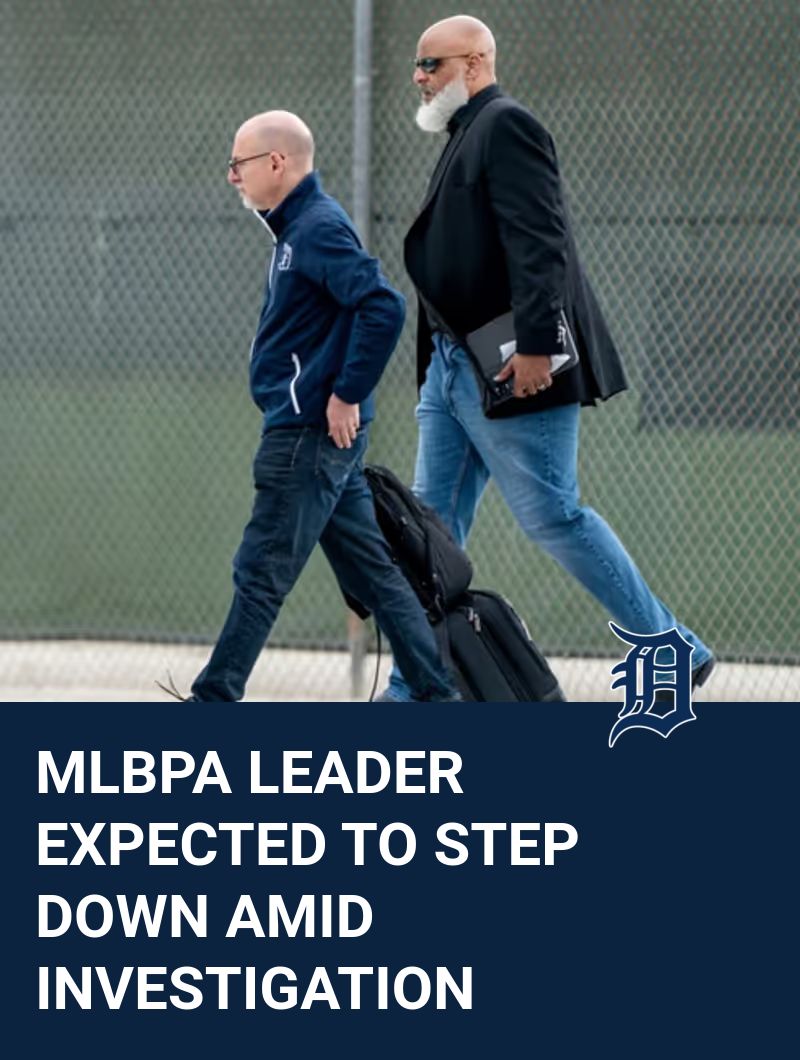
Tony Clark Expected to Resign Amid Federal Investigation, Leaving MLBPA at a Crossroads
The MLB Players Association is facing a seismic shift at a critical moment. Tony Clark, who has served as executive director of the MLBPA since 2013, is reportedly expected to resign soon, with a federal investigation looming over the union’s leadership. The investigation, led by the Eastern District of New York, centers on allegations involving improper use of licensing and equity for personal enrichment.
The timing couldn’t be more delicate. The union is gearing up for what’s expected to be a contentious round of collective bargaining negotiations with Commissioner Rob Manfred and MLB team owners next offseason. Now, with Clark potentially stepping down, the MLBPA could be headed into that fight without its longtime leader at the helm.
The investigation reportedly focuses on two major areas. First, there are allegations that Clark improperly gave himself equity in OneTeam Partners-a joint venture between the MLBPA and NFLPA designed to manage group licensing and marketing. Second, federal authorities are looking into whether the union failed to properly disclose the extent of resources being poured into Players Way, the MLBPA’s youth initiative.
In a sign that things were already shifting behind the scenes, the union abruptly canceled its annual spring training visits with players. Those meetings were scheduled to begin Tuesday morning at the Cleveland Guardians’ complex in Arizona, but were called off at the last minute-an unusual move that raised eyebrows across the league.
Clark’s potential exit comes at a time when the union needs stable, experienced leadership more than ever. The last round of CBA negotiations in 2021-2022 was hard-fought, and while the union walked away with some wins, it also faced criticism for concessions made along the way. With another high-stakes labor battle on the horizon, the MLBPA will need someone who can command respect across the league and navigate the increasingly complex landscape of player rights, revenue sharing, and competitive balance.
One name not currently tied to the investigation is Bruce Meyer, the union’s deputy chief and lead negotiator during the last CBA talks. Meyer played a key role in those negotiations and is widely respected for his legal acumen and bargaining experience. Whether he steps into a larger leadership role remains to be seen, but his presence offers at least some continuity as the union faces this leadership vacuum.
As of now, neither Clark nor the MLBPA have issued any public responses to the allegations or Clark’s reported resignation. What’s clear is that the union is entering a period of uncertainty at a time when unity and direction are paramount. The coming months will be critical-not just for the MLBPA’s leadership structure, but for the future of labor relations across Major League Baseball.