

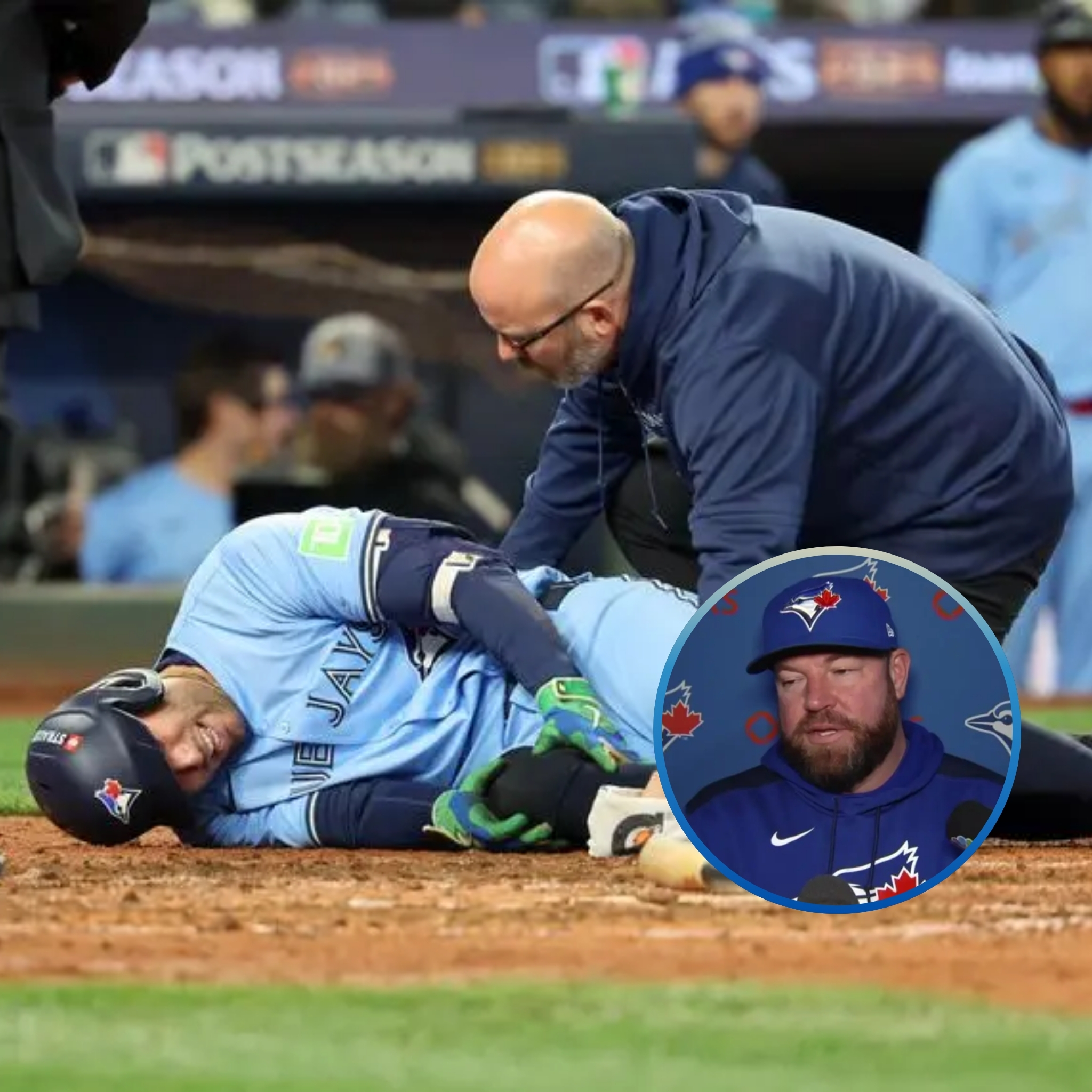
ATLANTA — The Atlanta Braves are not chasing headlines this winter, but inside front offices across Major League Baseball, one name keeps surfacing in quiet conversations: Chris Bassitt. The 37-year-old right-hander, fresh off completing a three-year, $63 million contract with the Toronto Blue Jays, has suddenly become a focal point for a Braves organization determined to stabilize a rotation that looked elite on paper but fragile in reality.
Discover more
American Football
Live Sporting Events
This is not trade talk. This is about timing, money, and intent.
Bassitt is a free agent, which means Atlanta can pursue him without surrendering a single prospect or major-league contributor. In a market where pitching depth evaporates quickly and injuries dictate seasons, that detail matters. The Braves are also believed to have interest in Lucas Giolito, but Bassitt’s name stands out for one reason that resonates deeply inside Atlanta’s decision-making circle: reliability.
Discover more
American Football
Live Sporting Events
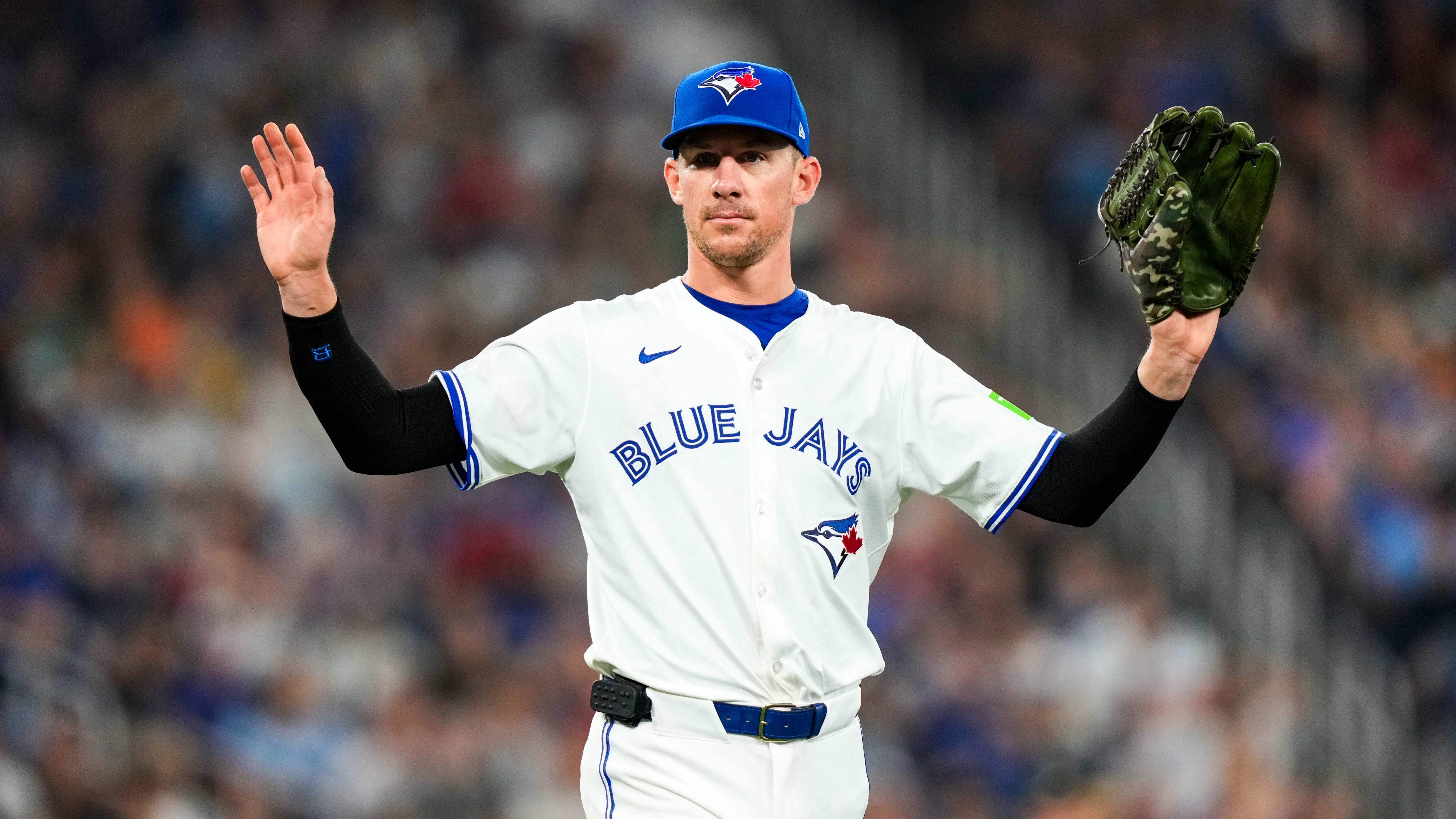
Atlanta’s payroll already sits north of the $244 million luxury-tax threshold, yet the organization strategically reset its penalty level by staying under the line in 2025. That maneuver now gives the Braves breathing room to absorb another contract without triggering the harshest tax consequences. Around the league, executives view a deal similar to Merrill Kelly’s two-year, $40 million agreement as the likely framework — roughly $20 million per season for Bassitt, a number that comes with discomfort but not paralysis.
If signed, Bassitt would not arrive as a savior. He would arrive as a stabilizer.
Behind Chris Sale and Spencer Schwellenbach, Bassitt would slide into the middle of the rotation, absorbing innings that Atlanta sorely lacked last season. Sale was limited to just 20 starts in 2025 due to rib-cage fractures. Spencer Strider returned from UCL surgery but posted a 4.45 ERA in 23 starts, showing flashes of dominance mixed with understandable inconsistency. Schwellenbach made only 17 starts after suffering an elbow fracture. Reynaldo López and Hurston Waldrep combined for just 10 starts. On too many nights, the Braves were forced to improvise.
Bassitt represents the opposite of improvisation.
Over the past six seasons, he has quietly ranked among the league leaders in starts and innings pitched, posting a 3.57 ERA with a 22.7 percent strikeout rate and a 44 percent ground-ball rate. In 2025, with Toronto, he threw 170.1 innings, recorded 166 strikeouts, finished with a 3.96 ERA and a 1.33 WHIP, and even contributed 8.2 dominant relief innings during the Blue Jays’ postseason run, allowing just one earned run.

That versatility is part of the appeal.
For the Braves, adding Bassitt would not trigger a roster fire sale or force a corresponding trade. Instead, it would reshape roles. Waldrep could begin the year in Triple-A or transition into a swing role. Joey Wentz, Bryce Elder, Grant Holmes, and JR Ritchie would remain depth options rather than emergency starters. The rotation would gain margin for error — something Atlanta lacked when injuries piled up.
From Bassitt’s perspective, the fit is equally compelling. Atlanta offers a chance to pitch meaningful games in the NL East without the pressure of ace-level expectations. At 37, a short-term deal aligns with the reality of his career stage, allowing him to chase postseason relevance without committing years into his 40s. His fastball velocity dipped to 91.5 mph in 2025, the lowest of his career, but his strikeout numbers held steady, suggesting craft and command are now doing more of the work.
Toronto, meanwhile, appears ready to turn the page. Bringing Bassitt back would require another sizable commitment at a time when the Blue Jays are recalibrating payroll priorities. Letting him walk frees up flexibility and avoids tying long-term dollars to a pitcher entering his late 30s.
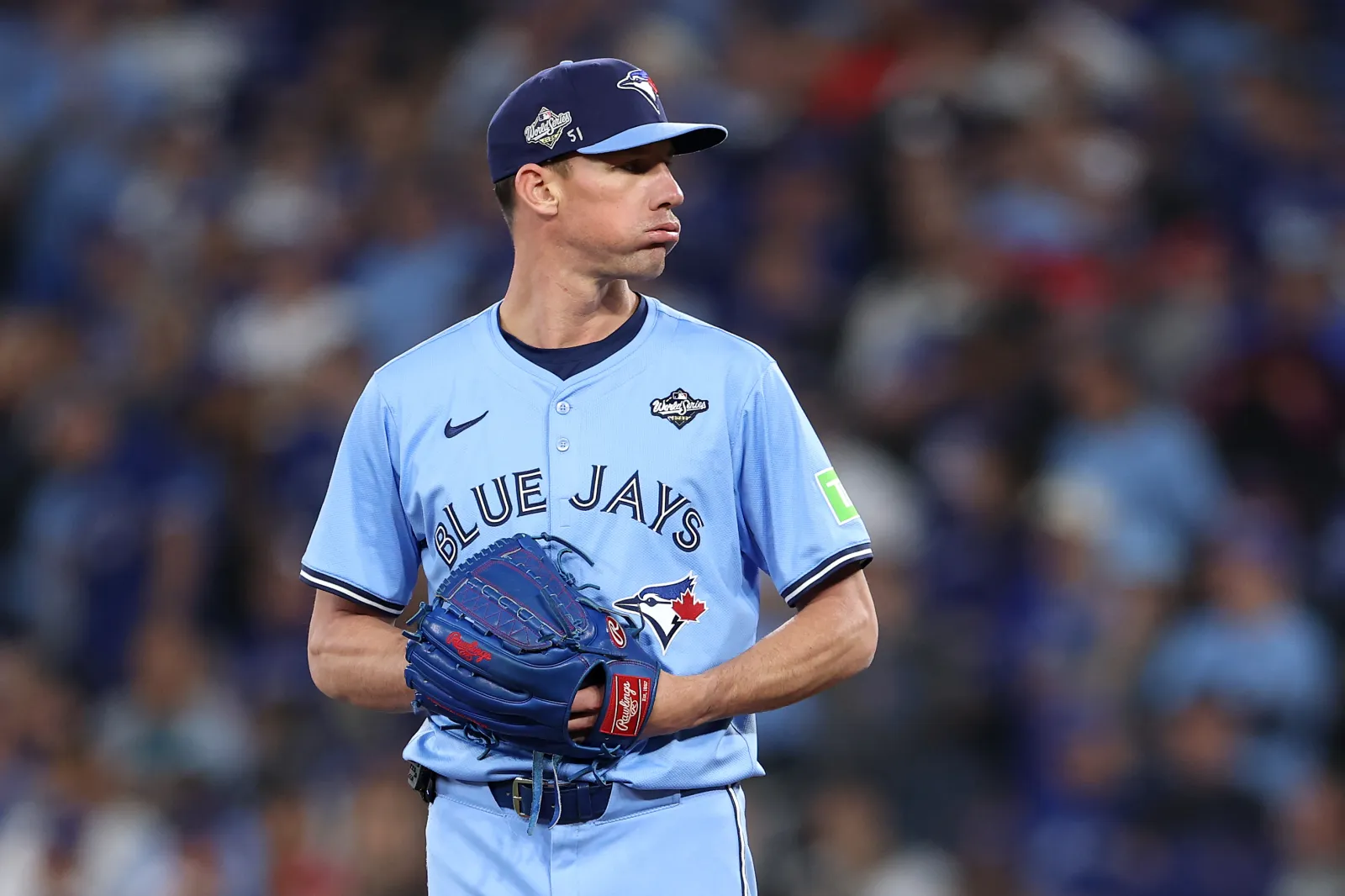
The concerns for Atlanta are real and acknowledged. Age is undefeated. Declining velocity is not theoretical. Adding another contract increases an already heavy luxury-tax burden, and top prospects such as JR Ritchie or Didier Fuentes may have to wait longer for full-time opportunities. But the Braves are not building for 2029. They are building for now.
They already missed out on Framber Valdez. The market is thinning. In that context, Bassitt’s durability, postseason experience, and availability without draft-pick compensation begin to look less like a luxury and more like a necessity.
This would not be a flashy move. It would not dominate social media. But for a Braves team with championship aspirations and a rotation defined as much by question marks as talent, signing Chris Bassitt could be the quiet decision that keeps a season from unraveling.
Sometimes, the loudest moves are the ones made without noise.