The St. Louis Cardinals are undergoing a sweeping transformation, the kind that signals not just a new chapter but a full-scale redefinition of the franchise’s identity.
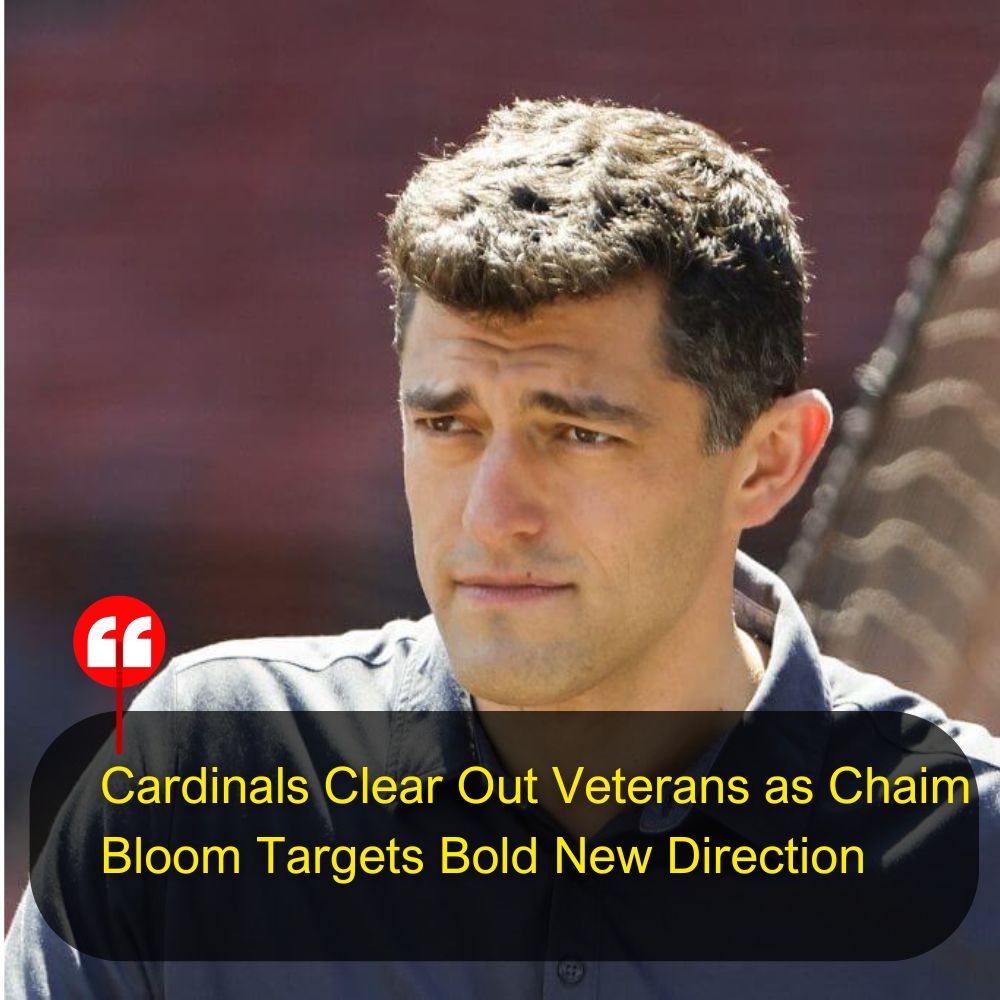
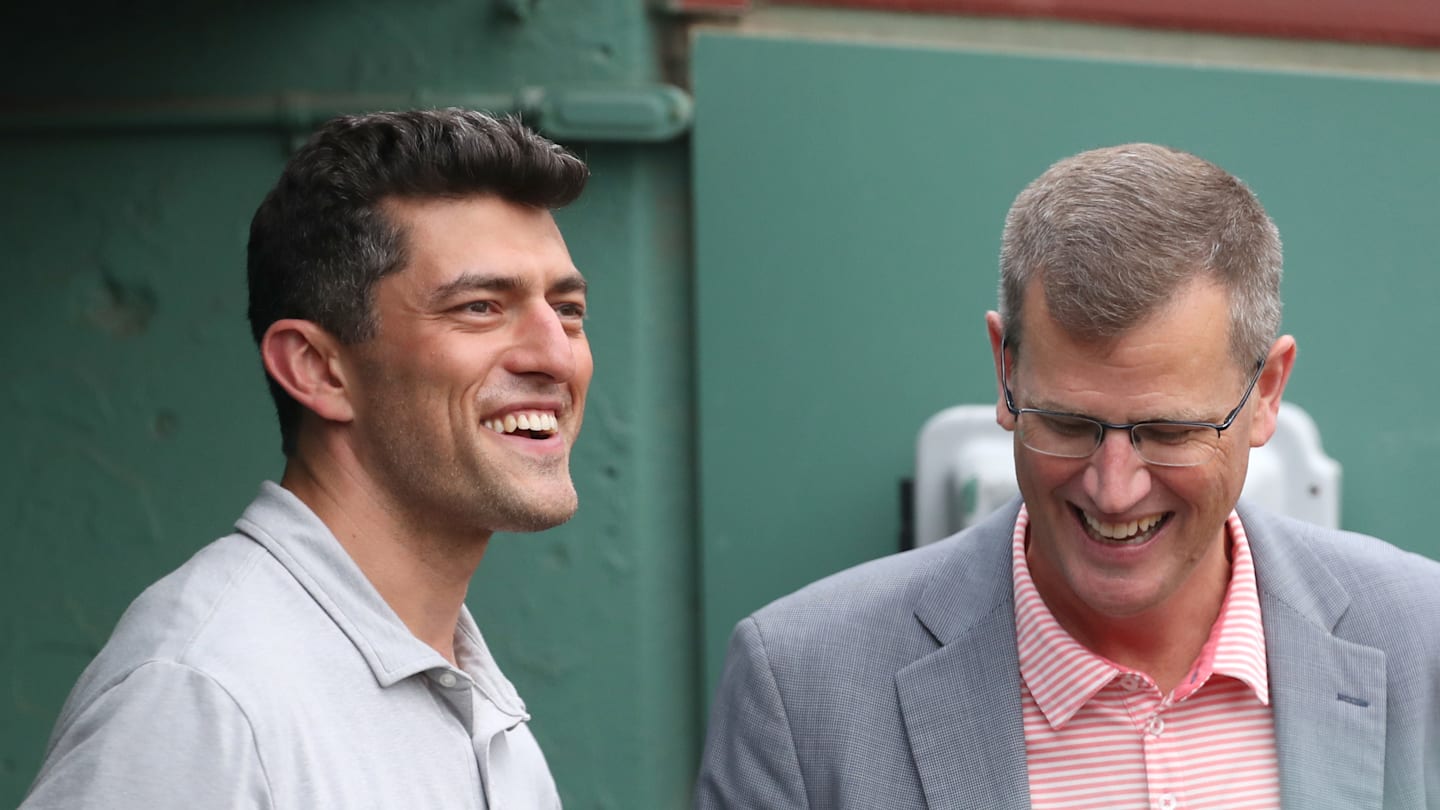
At the center of this restructuring is Chaim Bloom, the former Red Sox chief baseball officer who is now in complete control of the Cardinals’ long-term vision.
With longtime executive John Mozeliak stepping aside, Bloom is steering the organization into a bold and uncompromising new era, one that prioritizes sustainability, upside, and modern roster construction over short-term patchwork fixes.
And if the early moves of this offseason are any indication, Bloom has no interest in half-measures.
The teardown began quickly and decisively, with two significant departures signaling a franchise-wide reset.
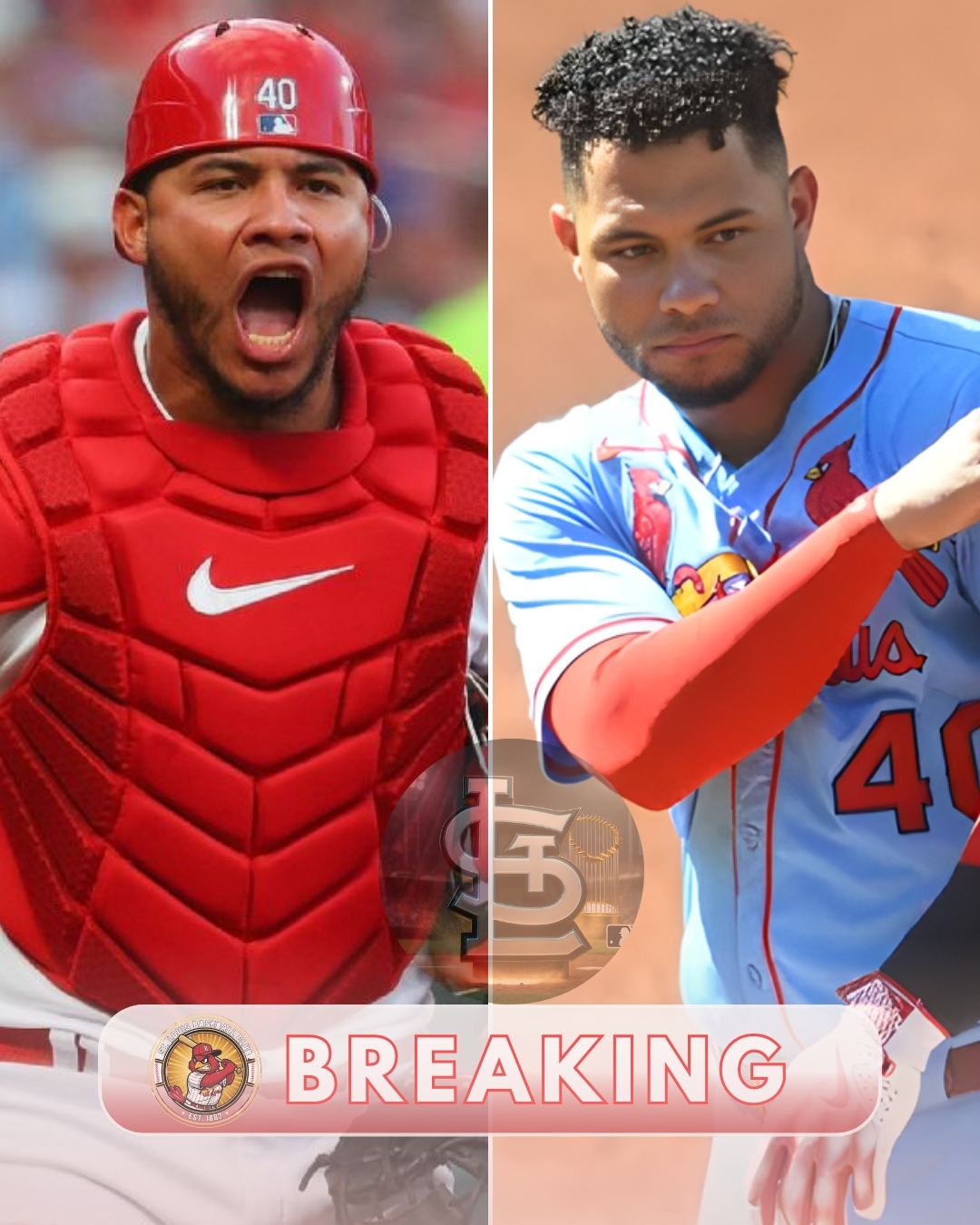
First came the trade of ace Sonny Gray, followed shortly by the departure of veteran catcher Willson Contreras.
Both moves sent a strong message: Bloom is not tinkering around the edges.
He is reshaping the roster from the top down.
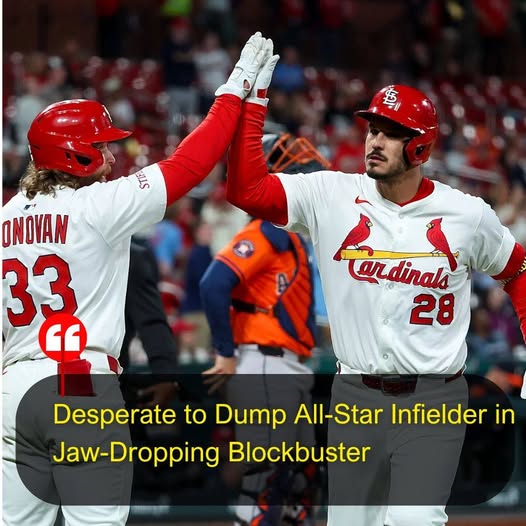
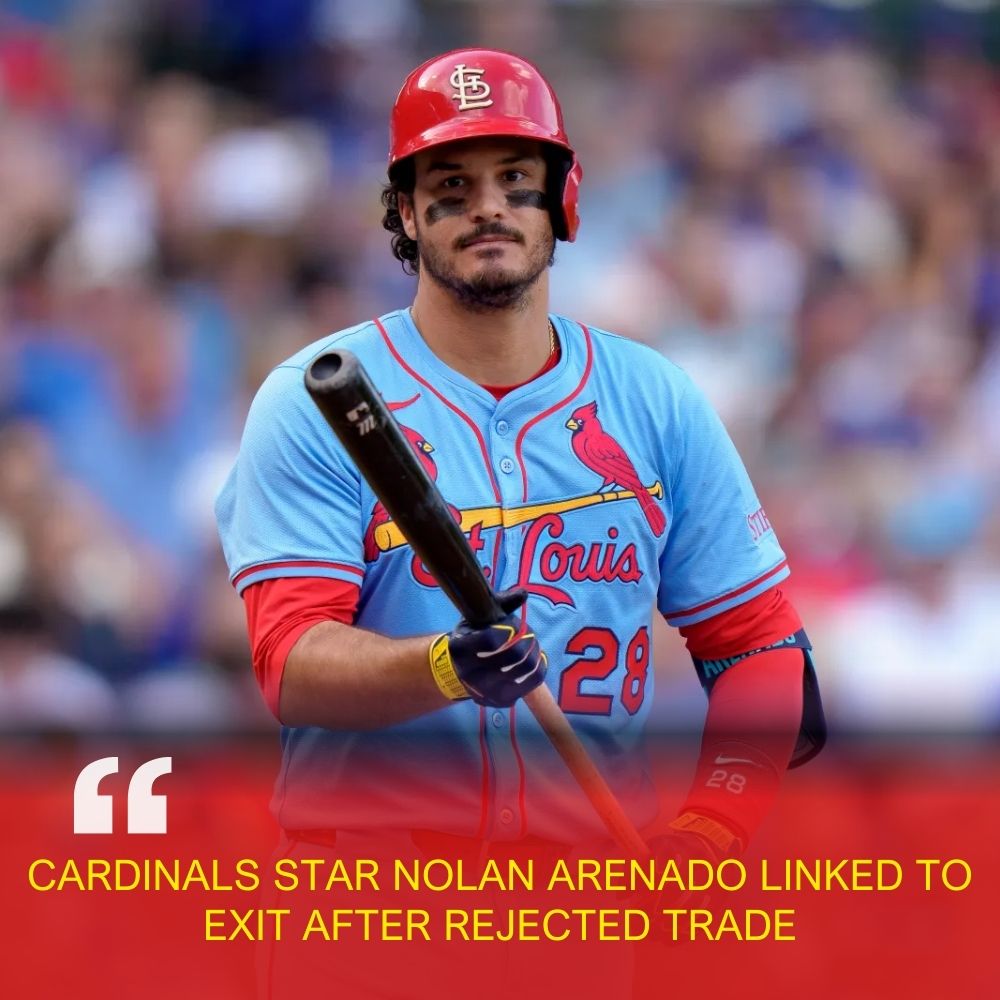
And the more he does, the more it becomes clear that additional moves—possibly involving Brendan Donovan, JoJo Romero, and even franchise cornerstone Nolan Arenado—could soon follow.
What we’re seeing is not just a roster shuffle.
It is a philosophical overhaul.
Under Bloom, the Cardinals are shifting away from the Mozeliak-era focus on MLB-ready depth pieces and toward a developmental approach centered on high-upside talent.
This marks a major cultural pivot for a franchise that has traditionally relied on stability and a predictable, methodical pipeline.
Bloom is flipping the script.
And while he has executed only two trades so far this offseason, the blueprint of his long-term plan is already coming into focus.
Trade 1: Sonny Gray to the Boston Red Sox
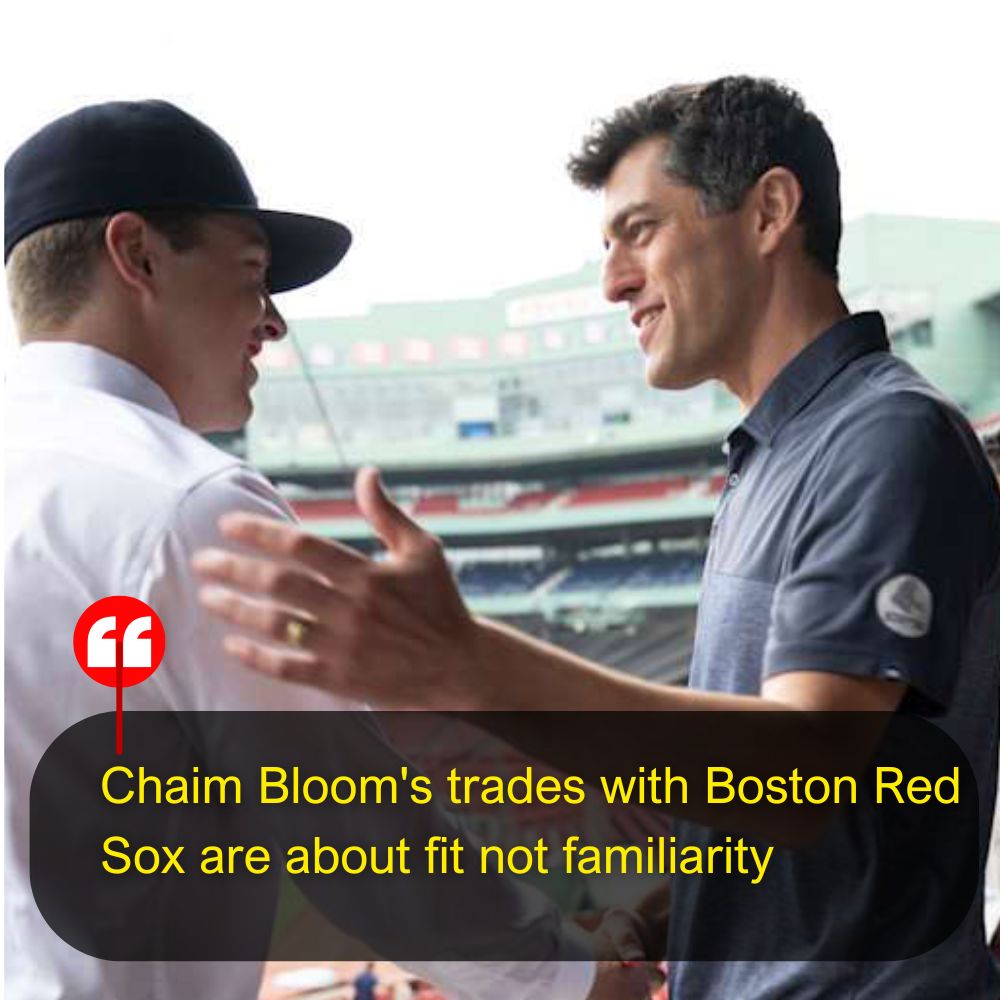
In his first major move of the winter, Bloom sent top starter Sonny Gray to the Boston Red Sox in exchange for pitchers Richard Fitts, Brandon Clarke, and a player to be named later.
It was a trade that surprised many, but it fit perfectly into the framework of a rebuild built around pitching upside and organizational reset.
Fitts is the most MLB-ready of the group, with 65.2 innings of big-league work and a 3.97 ERA already under his belt.
He doesn’t have electric stuff, but he throws strikes, competes in the zone, and profiles as a potential back-end starter who can give the Cardinals immediate innings.
He is not flashy, but he is dependable—and that matters in a rotation undergoing massive reconstruction.
Clarke, meanwhile, is the true upside play.
At just 22 years old, the left-hander has a fastball that sits high and a slider that evaluators describe as having “wipeout potential.”
He’s raw, still learning pitch sequencing and command, but the tools are there.
This is precisely the type of arm Bloom and his revamped pitching development team want to mold: a young, high-velocity, high-spin prospect who could develop into a long-term rotation piece or power reliever.
It is a bet on projection rather than proximity.
And that theme is becoming central to Bloom’s entire strategy.
Trade 2: Willson Contreras to Boston
Bloom’s second major move of the offseason sent Willson Contreras, the team’s highest-profile catcher, to the Boston Red Sox in exchange for Hunter Dobbins, Yhoiker Fajardo, and Blake Aita.
This trade, like the Gray deal, signaled a dramatic shift in organizational priorities.
Contreras was only two seasons into a long-term contract, but his fit in St. Louis had been shaky since the beginning, with concerns about defense, framing, game-calling, and system fit.
Bloom moved quickly to resolve that issue.
In return, the Cardinals acquired three pitching prospects, each representing a different tier of risk and reward.
Dobbins, coming off a torn ACL, carries uncertainty but has the profile of a strike-thrower who could compete for a rotation spot or bolster depth when healthy.
His fastball command and competitive demeanor make him a potential innings-eater if the recovery goes smoothly.
Fajardo is the real lottery ticket.
Only 18 years old, he already shows advanced feel for pitching, a polished changeup, and the kind of arm action that makes scouts dream.
His command stands out for his age, and his developmental arc could be long, but the ceiling is meaningful.
Aita, meanwhile, is a longer-term developmental project, the type of pitcher the Cardinals hope to mold inside their new player development infrastructure.
What This Means for the Rotation
With Gray gone and more veterans potentially on the block, the Cardinals’ rotation is in a transitional phase.
Fitts is expected to compete for a rotation spot immediately, likely joining new free-agent addition Dustin May, whose upside remains intriguing despite an injury-riddled tenure with the Dodgers.
Dobbins, depending on his recovery timeline, could also enter the rotation conversation later in the season, particularly if injuries create openings.
These are not high-ceiling, frontline arms.
But they are stabilizers—pitchers who can cover innings and keep the team competitive while the organization develops the higher-upside arms it is now prioritizing.
And that is exactly where Bloom’s long-term focus lies: the future, not the present.
A Shift in Organizational Philosophy
Perhaps the biggest change under Bloom is how the Cardinals are targeting talent.
During the Mozeliak era, St. Louis often favored players who were close to the majors, even if their ceilings were limited.
It was a strategy designed for stability.
Bloom is taking the opposite approach.
He is swinging for upside.
That means acquiring younger, rawer arms like Clarke and Fajardo who might be several years away but project as potential impact players.
This shift is already reshaping the roster and could lead to established big-league contributors—like Andre Pallante, a ground-ball specialist—getting squeezed out of traditional roles.
Pallante’s pitch-to-contact style does not align with Bloom’s new emphasis on swing-and-miss stuff, and he could be pushed into a long-relief role as the rotation evolves.
Down the Pipeline: Seeds Being Planted
At Triple-A, the addition of Dobbins brings needed depth behind Quinn Mathews, who struggled through injuries and control issues in 2025 after a strong 2024 campaign.
Bloom has hinted that Mathews’ struggles may ultimately benefit his development by forcing adjustments, but his future role remains uncertain.
Still, the real excitement lies in the lower levels of the system.
That’s where Bloom is planting the seeds for the Cardinals’ next competitive window.
By acquiring young, high-upside talent and restructuring the development pipeline, Bloom is not just rebuilding the roster.
He is reimagining the entire organizational structure.
The Bigger Picture
These two major trades—the departures of Gray and Contreras—are not Bloom’s first moves as president of baseball operations.
He made prospect-focused deals at the 2025 trade deadline.
But these are his clearest statements yet.
Bloom is not simply trying to patch leaks in a sinking ship.
He is rebuilding the vessel from the foundation up.
If the Cardinals’ revamped development staff can unlock the potential of players like Clarke and Fajardo, and if stabilizers like Fitts and Dobbins can keep the club afloat in the meantime, Bloom may pull off a turnaround that reshapes the trajectory of the franchise.
It is early.
The work is far from finished.
But one thing is certain: the Cardinals are no longer standing still.
Bloom has hit the accelerator.
And the rebuild—perhaps better described as a reimagining—is officially underway.