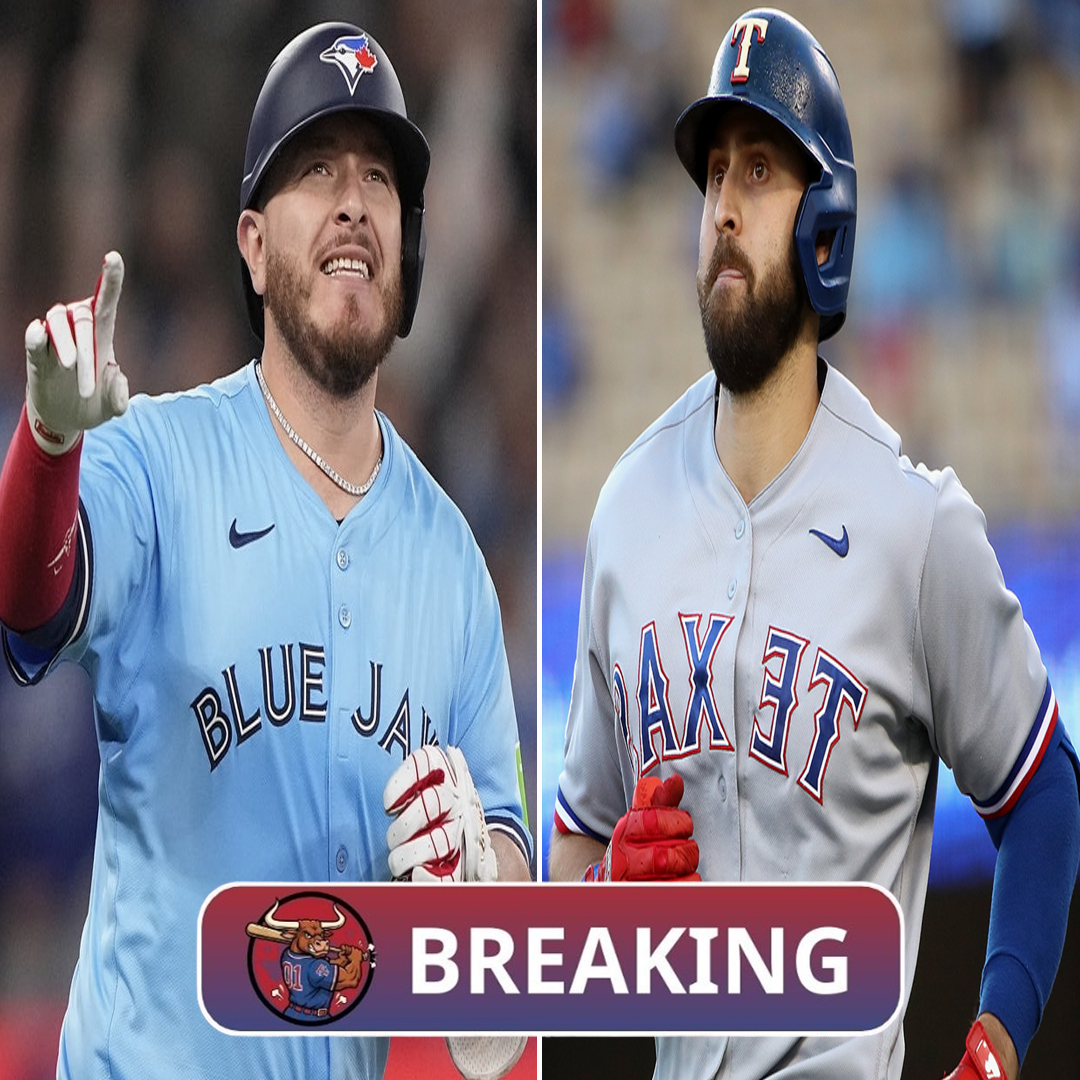
By finalizing arbitration agreements with Ezequiel Duran, Josh Smith, Josh Jung, and Jake Burger, the Rangers have now gone 26 consecutive years without going to a salary arbitration hearing, the longest such streak in MLB history. While the specific dollar figures have not yet been disclosed, the agreements themselves carry historic weight.
Texas entered the offseason with nine arbitration-eligible players, and the front office made its intentions clear early. In addition to reaching deals with those four core contributors, the Rangers also came to terms with Sam Haggerty. Meanwhile, the club chose a tougher route with others, non-tendering Adolis García, Jonah Heim, Josh Sborz, and Jacob Webb in November — difficult decisions that allowed the team to maintain flexibility while preserving its arbitration streak.
The significance of the milestone goes beyond paperwork.
The Rangers have not gone to an arbitration hearing since 2000, when the team and first baseman Lee Stevens failed to reach an agreement. That moment now sits more than a quarter-century in the past. With this offseason’s resolutions, Texas officially surpassed Detroit’s active streak by one year, standing alone atop the league.
Historically, the Rangers have compiled a 10–9 record in arbitration hearings, though those showdowns are increasingly a relic of another era. Their most recent arbitration loss came all the way back in 1992 against Kevin Brown, underscoring just how long the organization has prioritized negotiated settlements over adversarial hearings.
Around the league, arbitration battles often create tension between clubs and players. Texas has consistently taken a different approach — one built on early communication, compromise, and avoiding public disputes. That philosophy has endured through ownership changes, front-office turnover, rebuilding years, and a championship run.
In a sport where labor relations can be as competitive as the games themselves, the Rangers’ 26-year streak isn’t just a number. It’s a reflection of organizational culture — one that continues to shape how Texas does business, even as rosters and eras change.